Skip These Baby Toys
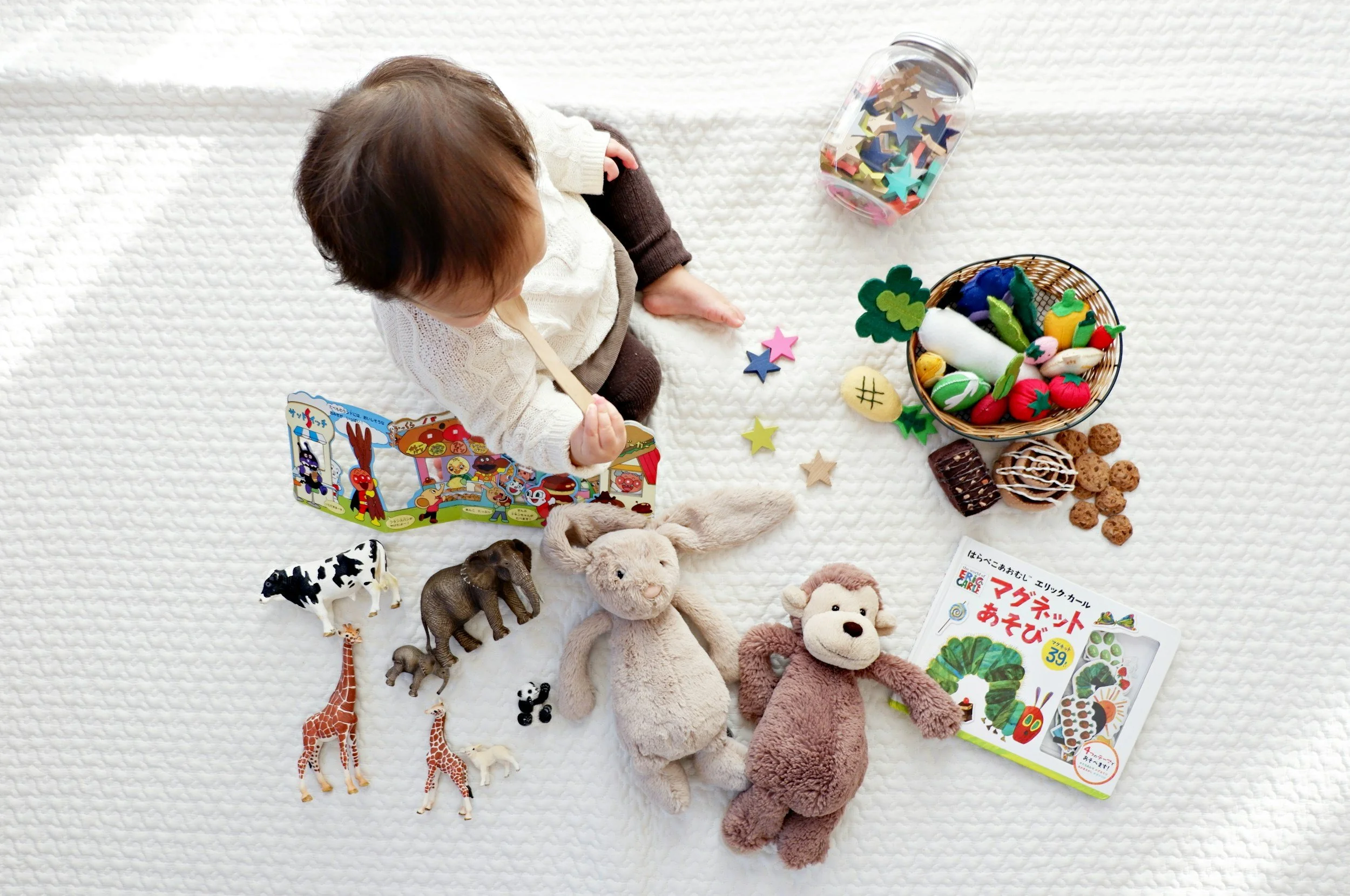
There’s no shortage of baby toys on the market, but more features does not always mean better play. In fact, some of the toys that seem the most impressive initially are often the ones babies engage with the least over time.
Toys that light up, sing songs, flash constantly, or direct the play too heavily can sometimes make it harder for babies to stay focused and explore independently. They can be entertaining in short bursts, but they often leave very little room for imagination, repetition, or problem-solving.
That doesn’t mean every battery-operated toy is bad or that children should only have wooden toys. It’s more about balance. Toys that allow children to control the interaction themselves usually support more meaningful engagement over time.
Open-ended toys tend to last longer because they can evolve alongside development. A simple stacking toy can become sensory play, problem-solving, fine motor practice, pretend play, and even imaginative storytelling as children grow.
Another thing worth remembering is that babies do not need constant stimulation. Sometimes we assume they’ll get bored if toys are too simple, but the opposite is often true. Simple toys give babies more space to focus, repeat actions, and engage deeply with what they’re doing.
If you’re unsure where to start, the Growlists include examples of toys that tend to support longer-term play across multiple stages rather than toys that are quickly outgrown.